

Ninepipes Field Trip
A trip to the Ninepipes Museum of Early Montana History, from the viewpoint of one of our chaperones.
Friday, May 1, 2026
I had the pleasure of being one of the chaperones for the field trip to the Ninepipes Museum of Early Montana History. From start to finish it was awesome for students and adults. While students arrived and waited for others to arrive, they generated excitement in the community by (safely) standing on the sidewalk in front of the Arlee CDC. They waved at people walking by and those driving by they motioned to honk. The community knew something was about to happen exciting for these youth!
Once we arrived to Ninepipes, we split into 2 groups. We had Guides take us through the areas. They were both very patient with the children and able to work with children ages 4 - 11. They were knowledgeable and encouraged input from children. It was nice to hear children recall what they have learned at school or from their families. One child was able to sing one of his native songs he has learned as he played the drum from the museum.
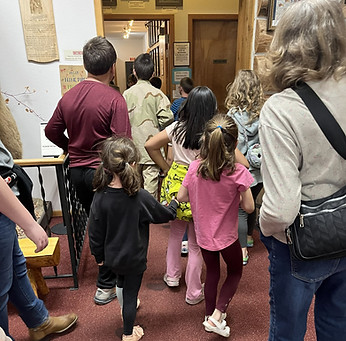
My group went into the museum first. This gave us the opportunity to learn about history and culture of early Montana. We gained a deeper understanding of Indigenous cultures, particularly those of the Flathead Reservation. We saw traditional clothing, tools, and beadwork.
In addition to Indigenous history, the museum teaches about the lives of early settlers in Montana. Exhibits featuring log cabins, wagons, and trading posts show how difficult life was and how people adapted to their surroundings and used what was available to them. The guide helped us compare the lifestyles of settlers and Native communities. She gave us a better understanding of how different cultures interacted and coexisted. And, this encourages respect for diverse perspectives and traditions.
Another important lesson from the field trip is the value of preserving history. The museum protects artifacts and shares stories that might otherwise be forgotten. Learning about real people from Montana’s past, including community members and leaders, helps make history feel more personal and engaging. Students begin to understand why it is important to keep these stories alive for future generations. The guide was very passionate about this.

The second part of our tour was outdoors. The outdoor guide took us on a nature walk since the museum’s location is near a wildlife refuge. We observed local animals and habitats which reinforces the connection between people and nature. She had her telescope and we were able to see marsh bird nests. We saw Canadian geese flying. We also learned about local plants and how they were used.
After lunch we were treated to a presentation of a Hoop Dance. This was amazing! I even heard the students say, "Wow, that is amazing!"
Marie took every opportunity to help the students learn to show responsibility and be a part of the team. It would have been easy for the adults to carry all of the supplies to and from the bus but instead, she engaged the help of the students, giving them tasks.
On the way back on the bus some young children fell asleep, some children worked in their Ninepipes Activity Books, some talked of their favorite parts of the day. Once we got back, everyone got ice-cream cones!
Overall, a visit to the Ninepipes Museum of Early Montana provides not only knowledge about the past but also valuable life lessons about respect, preservation, and appreciation for culture and the environment while building community amongst the group of students. Well done!
Alisa Wickham